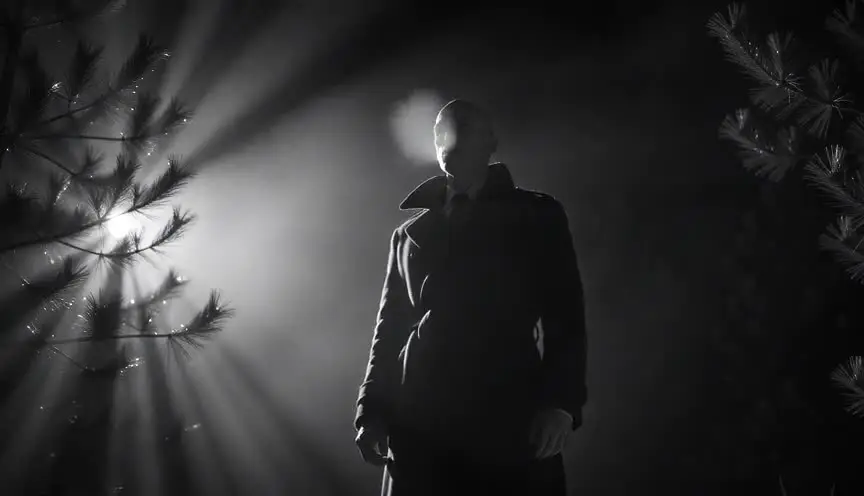
On-the-nose dialogue delivers meaning with zero indirection: characters articulate their exact thoughts at the exact moment they form, using language that reads like a therapy intake form or a clinical self-assessment. This approach trades dramatic tension for transactional efficiency, and the cost is immediate. Audiences register that they are being instructed rather than immersed. Readers' eyes drift down the page. Actors lose the interpretive room that makes performance three-dimensional, because when text and subtext are identical, there is no creative gap left to inhabit or explore.
A subtext rewrite pass is not an exercise in obscuring meaning or making characters evasive for its own sake. It reintroduces the friction that makes dialogue feel alive: the gap between what a character needs to communicate and what they can afford to say out loud, given the social power in the room, the weight of past shame, the dangers of premature disclosure, and the identity of who is listening. That pressure is where performance and interpretation live.
How It Works: Gap Between Text and Subtext
Subtext exists in the measurable distance between the line as written and the intention driving it. Characters advance their objectives using language that saves face, probes for allegiance, stalls for strategic advantage, or deliberately steers attention away from the truth. On-the-nose dialogue erases that distance entirely, reducing intention and utterance to a single flatline.
The pass targets three failure modes:
- Theme delivery: "This is about family." Characters do not announce theme; they fight about keys, money, or silence.
- Emotion labeling: "I am scared." Fear shows in topic shifts, jokes, aggression, or over-precision.
- Plot exposition: "As you know, we met at the lake in 2019." Replace with conflict that forces partial reveal.
Begin subtext work only after you have completed passes for structural integrity and narrative clarity. Layering subtext onto a scene with unresolved plot holes or unclear character objectives is cosmetic misdirection—lipstick on a structural problem. If you have not yet established a systematic revision sequence, refer to the screenplay revision passes framework for proper ordering.
Platform and Use-Case Sections
Drama and Prestige
Prestige-tier audiences—the demographic that sustains festival circuits, auteur-driven work, and critically acclaimed serialized drama—expect and reward silence, implication, and oblique phrasing. For this audience, subtext is not a stylistic flourish but the baseline grammar of sophisticated storytelling. On-the-nose exposition in this context registers as insulting, as though the work assumes the viewer cannot infer or interpret without being directly told.
Comedy
Comedy needs on-the-nose sometimes as punchline weapon, then subtext elsewhere for relationship truth. The straight man can be literal; the wound cannot. 喜剧的笑点可以直白,但人物关系的真相必须藏在台词之下——插科打诨的角色可以字面意思说话,内心的伤痕却不能直接宣之于口。 喜剧的笑点可以直白,但人物关系的真相必须藏在台词之下——插科打诨的角色可以字面意思说话,内心的伤痕却不能直接宣之于口。
Thriller and Noir
Genre thrives on coded speech. Cross-train with subtext in film noir and argument scenes without repetition. 类型片依赖暗语系统生存,建议交叉训练:参考黑色电影如何用光影和隐喻传递subtext,以及如何写出不重复、有层次的争吵场景。 类型片依赖暗语系统生存,建议交叉训练:参考黑色电影如何用光影和隐喻传递subtext,以及如何写出不重复、有层次的争吵场景。
YA and Commercial
Younger markets still need subtext, but clarity windows are wider. Teens can dodge, not speak in riddles for ten pages. 年轻受众市场同样需要潜台词,但容忍的模糊窗口更宽——青少年角色可以闪避话题、可以不直说,但不能连续十页都在打哑谜,clarity windows 要控制在合理范围内。 年轻受众市场同样需要潜台词,但容忍的模糊窗口更宽——青少年角色可以闪避话题、可以不直说,但不能连续十页都在打哑谜,clarity windows 要控制在合理范围内。
Relatable Scenario: The Villain Monologue
Your antagonist explains the entire plan while the hero listens. The audience checks out because the hero already knew half of it. Rewrite as interrogation with misdirection: the villain answers questions that sound like boasts but hide the real move. The hero (and audience) receives information under conflict pressure, not lecture mode. 反派把整个计划和盘托出、主角站着听——观众会出戏,因为主角早就知道一半了。改写成审讯式对话配合误导:反派回答问题时表面在炫耀,实则隐藏真正的行动;主角(和观众)在冲突压力下获取信息,而非 lecture mode 被动接受。 反派把整个计划和盘托出、主角站着听——观众会出戏,因为主角早就知道一半了。改写成审讯式对话配合误导:反派回答问题时表面在炫耀,实则隐藏真正的行动;主角(和观众)在冲突压力下获取信息,而非 lecture mode 被动接受。
Relatable Scenario: The Breakup
"I love you but I can't do this anymore" is honest and flat. Rewrite around logistics that hurt: returning a key, canceling a shared subscription, choosing who keeps the dog walking app account. Love lives in what they fight over while pretending it is practical.
The Trench Warfare Section: Subtext Mistakes
Obscurity masquerading as depth—模糊不等于深度。当观众完全看不懂场景的走向时,那不是潜台词的功劳,而是叙事迷雾在作祟,subtext 的本质是让观众能够读出字面之下的张力,而不是陷入猜谜游戏。
Identical subtext voices—所有角色都用同一套隐喻腔调说话,全是密码式警句与哲理碎片。真正的潜台词写作需要为每个角色设计专属的语法节奏、停顿模式和回避策略,让他们即使在不说真话时也能保持性格辨识度。
Subtext without behavior—台词层面已经充满矛盾与暗示,但角色的肢体、眼神、micro-expressions 却保持中性静止状态。演员需要剧本给出行为上的contradiction:说着'I'm fine'的同时手在发抖、回避目光、或者过度整理桌面,身体必须背叛语言。
Over-correction—为了避免说教而走向另一个极端,把所有定向信息全部抹除。其实每场戏允许放置一句 orientation line 作为观众的锚点,关键是比例控制而非全面禁止,零清晰度同样是结构失败。
Theme speeches in the last five pages—在剧本最后 5 页突然插入主题宣言独白,试图用台词'讲清楚'整个故事想说什么。更有力的做法是设计一个 visible cost choice:让主角在两个都会失去重要事物的选项之间做出决定,theme 自然从sacrifice 中浮现,无需言说。
Step-by-Step: The Subtext Rewrite Pass
Step 1 - Mark lines that state theme, feeling, or backstory directly
Highlight in pink. Do not fix yet. Count them. If a scene has more than two, the scene is lecturing.
Step 2 - Write each speaker's secret objective for the scene
One sentence per character: what they need emotionally or practically by scene end.
Step 3 - Rewrite lines to pursue objective indirectly
Ask: what would this person say to avoid losing status? To probe without confessing? To win without admitting they care?
Step 4 - Add behavior that contradicts speech
Smiling while threatening. Offering help while refusing closeness. Behavior makes subtext legible without explanation.
Step 5 - Cut duplicate beats
On-the-nose often repeats the same information in dialogue and action. Keep the better version.
Step 6 - Read aloud with a friend
If every line sounds like the same essay voice, differentiate syntax per character. See distinct voices blind read.
Step 7 - Spot-check trailer lines
One or two quotable direct lines per script are fine. More than that and the piece feels like a speech draft.

[YOUTUBE VIDEO: Actor workshop reading the same scene twice, first on-the-nose draft then subtext rewrite, discussing playable gaps and camera-friendly reactions.]
Try it free
Try 熙熙 for free on your script
It is free. Import your existing project, get a clearer view of your outline, and regain control of your story structure in minutes.
Start FreeOperational Requirements: When Direct Speech Is Allowed
High stakes clarity: Medical consent, legal warning, military command may need direct speech. Earn plain talk with context.
First-time information: Audiences need facts once. Subtext is not hiding basic orientation past reasonable delay.
Character voice: Some characters speak plainly as trait. Contrast them with subtext-heavy scene partners.
Translation and accessibility: Subtext must not become incomprehensible. Behavior and context carry meaning for global audiences.
| On-the-Nose Example | Subtext Rewrite Angle |
|---|---|
| "I never got over you." | "You still use that cologne." |
| "The company is evil."(公司是邪恶的。)(公司是邪恶的。) | "They promoted me for staying quiet."(他们因为我保持沉默而给了我升职。)(他们因为我保持沉默而给了我升职。) |
| "I'm the hero here."(我才是这里的英雄。)(我才是这里的英雄。) | "Tell them whose name is on the lease."(告诉他们租约上写的是谁的名字。)(告诉他们租约上写的是谁的名字。) |
| "This reminds me of my dad." | He straightens a tool belt that isn't his—a gesture freighted with memory and displacement. |
Outcome: Dialogue Actors Fight to Book
Subtext-rich scenes generate auditions where performers show dramatic range in a single page, compressing revelation and restraint. Readers describe dialogue as "elevated but clear," the commercial-art sweet spot that telegraphs intelligence without opacity.
Plot clarity improves because information arrives through conflict rather than briefing, encoded in stakes and evasion. Scenes shorten when speeches become sparring—each line doing double duty as attack, deflection, or告白.
Why It Matters: Explanation vs Dramatization
The old way: Characters explain feelings, theme, and backstory aloud because the writer fears misunderstanding or wants insurance against audience drift.
The new way: Characters pursue objectives under social risk; audience infers meaning from the gap between what is said and what is wanted, from behavior under pressure, and from consequence that arrives without annotation.
Explanation is control. Subtext is trust in the audience and in actors.

Conclusion
On-the-nose dialogue is a draft problem with a draft solution. Mark direct theme and feeling lines, define secret objectives, rewrite for indirect pursuit, let behavior contradict speech. Keep one or two blunt lines if they earn trailer power; cut the rest.
Run this pass on arguments, reconciliations, and villain monologues first. Then pair with show don't tell action lines pass so dialogue and behavior stop repeating each other. The best scripts make readers lean in. Subtext is that lean.
Try the question test on each rewritten line: could the character answer a different question than the one asked and still move their goal forward? If yes, you are probably in subtext territory. If every line answers exactly what was asked with perfect honesty, you are still on the nose.
Subtext and Genre Dialogue: A Practical Balance
Horror characters can name fear when the naming makes them vulnerable to mockery from another character. Legal dramas can state facts when cross-examining. The subtext pass is not anti-clarity. It is anti-redundancy. Ask whether the line tells us something the scene already showed. If yes, cut or indirect. If no, keep.
Romantic comedy often leverages a direct confession as its climactic beat after ninety minutes of careful evasion and misdirection. You earn the right to use that direct line by reserving it for the first moment your character stops performing their constructed persona and speaks from genuine vulnerability. This pass is designed to remove premature honesty that undercuts dramatic tension, not to eliminate all honesty from your screenplay. Save that direct, unambiguous line for the precise moment when the character has exhausted every deflection, rationalization, and dodge in their emotional repertoire.
Read your subtext-heavy scenes aloud with a non-writer friend or test audience member. If they grasp the scene's emotional arc and interpersonal dynamics but cannot afterward quote a single theme sentence that spelled everything out, then the pass has succeeded in its purpose. If they emerge confused about character motivations or story stakes, you have mistakenly cut essential clarity instead of mere redundancy. Adjust your approach accordingly. Subtext functions as a communication skill that deepens engagement, not as a hiding skill that obscures meaning. Your audience should feel more emotional resonance and connection, not understand less of what is actually happening.
Maintain a protected save list containing one or two direct lines per script that must remain blunt and unambiguous for specific character voice or genre convention reasons. Actively protect these chosen lines from the subtext pass. Subtext should be your default mode of dramatic writing, not an inflexible religion applied to every moment. The true craft lies in recognizing which specific moment has earned the impact of plain, unadorned speech.
Final Step
Build your next script with 熙熙
Move from ideas to production-ready pages faster with timeline-native writing and AI-assisted story flow.
Try 熙熙