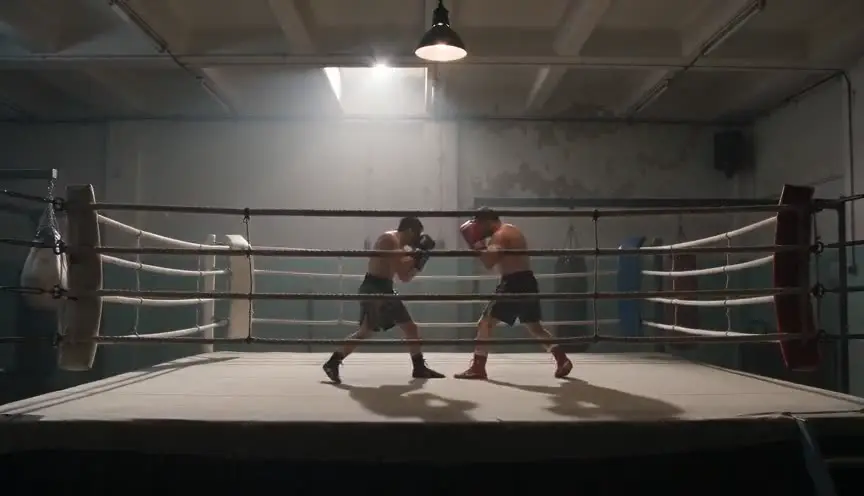
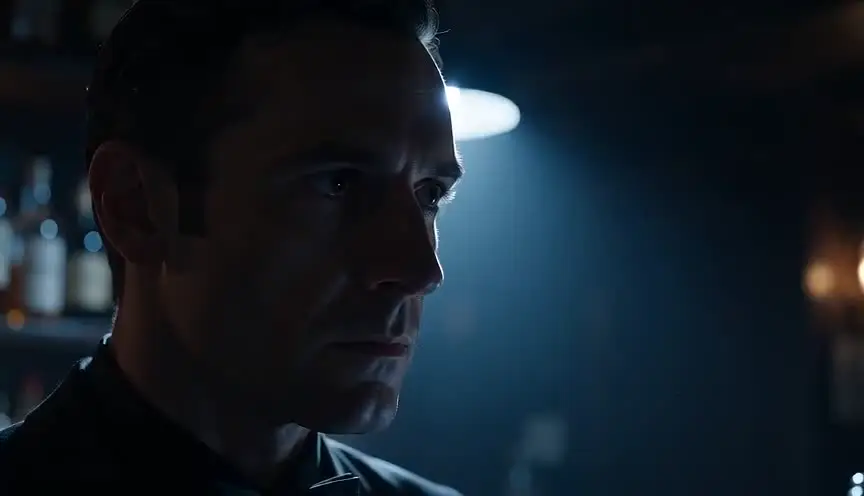
The pitch is strong. The script is ready. But the exec is staring at a PDF. She’s read a hundred pilots this month. How do you make her feel the show in 90 seconds? You give her a sizzle reel. Not the pilot. Not a trailer for something that doesn’t exist yet. A short montage of existing footage, film and TV clips, music, and mood, cut together to sell the tone of your project. That’s a rip-o-matic. It’s one of the most underused tools in a writer’s or producer’s kit. Get it right and you’re not just describing your show. You’re showing it.
A rip-o-matic (or "rip-o") is a video that uses existing material, clips from other films and shows, edited to music and sometimes to a voice-over or text cards, to convey the look, feel, and energy of a project you’re pitching. It’s called "rip" because you’re "ripping" clips from other sources. It’s not meant to be shown publicly or to replace the script. It’s a pitch tool. You use it in the room (or send it with the pitch) so that buyers can see and hear what you have in mind before a single frame of your project is shot. This guide covers why you’d make one, what to put in it, how to avoid legal and ethical pitfalls, and how to use it so it sells tone instead of confusing the room.
Free tool: use the Logline Workshop to build and pressure-test your logline.
Why Make a Sizzle Reel?
Words can describe tone. "It’s dark but funny." "It feels like a 1970s conspiracy thriller." But a 60- to 90-second reel can show it. The right clips, cut to the right music, create an immediate emotional response. The exec stops reading and starts feeling. That feeling gets attached to your project. When she goes back to the script, she’s already got a picture in her head. That’s the point.
Sizzle reels are especially useful when the tone is hard to pin down in a logline. Hybrid genres (comedy-drama, horror-comedy, thriller with humor), period pieces, or high-concept ideas benefit from a rip-o. So do projects where the vibe is the sell, e.g. "Succession meets Fleabag" becomes a sequence of shots and moments that actually feel like that mix. You’re not asking them to imagine. You’re giving them a sample.
A rip-o-matic doesn’t pitch the plot. It pitches the experience. The script pitches the story. The reel pitches the feeling.
What Goes In: Clips, Music, Structure
Clips. You’re choosing moments from existing films and TV that match the tone, palette, pacing, or energy of your project. Not the story, the feel. A shot of a character walking through rain. A close-up of a hand slamming a door. A line of dialogue that could live in your world. A wide shot of a location that looks like yours. You’re building a mood board in motion. Typically you’ll use 10–30 clips (or more for a longer reel), each a few seconds. Avoid long scenes. Short, punchy cuts keep the energy up and make the reel easy to watch in a meeting.
Music. The track drives the reel. It sets the tempo and the emotion. Use one piece of music that fits the tone, or cut between two (e.g. calm then intense). Don’t use a famous song that will distract ("Oh, I love this song") unless the song is part of the pitch. Instrumental or lesser-known tracks often work better. The music should feel like the score of your show. If your show is tense and minimal, the music should be tense and minimal. Sync cuts to the beat when it helps; don’t force it.
Structure. A simple shape works: In (establish mood, one or two strong images), Through (build, variety of shots, maybe a slight narrative or emotional arc), Out (land on a strong image or beat). You can add title cards: your project’s title at the start, "A [genre] series" or "Coming soon" at the end. Optional: a single line of voice-over or text with your logline. Don’t overdo text. The reel should mostly show and play. 60–90 seconds is the sweet spot. Shorter can work; longer and you risk losing the room.
Legal and Ethical Boundaries
You are using copyrighted material, other people’s films and music. Rip-o-matics are typically used only in private pitch meetings or sent to a limited number of buyers under confidential submission. They are not posted publicly, not used in marketing, and not shared beyond the pitch process. That limited use is why the industry has tolerated them for decades: they’re a tool for buyers to evaluate a pitch, not a product. Even so, there is legal risk. To minimize it:
Use the reel only in private, confidential pitch contexts. Don’t put it on YouTube, Vimeo, or your website. Don’t send it to people who aren’t actively considering the project.
Select clips and music tracks that enjoy broad availability and mainstream recognition, ensuring your edits preserve their original context and tone without any alterations that might be perceived as mocking, demeaning, or derogatory. Remember, your rip-o-matic isn't functioning as parody, satire, or critical commentary—it's a mood assembly designed to communicate atmosphere and genre sensibility. Frame the usage as clearly promotional within the pitch context, keeping the borrowed material minimal in scope and duration to stay within customary industry practice.
Whenever feasible, prioritize properly licensed music—whether through royalty-free libraries, sync-licensed tracks, or production music catalogs that grant clear usage rights. This substantially reduces legal exposure and demonstrates professional diligence. For video clips, understand that no standardized "rip-o use" license exists in the marketplace; the television and film industry operates on a decades-long tradition of limited, non-public, pitch-room-only usage governed by unwritten norms rather than formal permissions. When uncertainty arises about any particular clip or music cue, the prudent step is consulting an entertainment attorney who specializes in clearance and fair use. Some producers and production companies eliminate all ambiguity by constructing sizzle reels entirely from fully licensed components—stock footage libraries, licensed music beds, and cleared archival material—an approach that offers maximum legal safety but isn't always financially or logistically feasible for independent writers working without studio backing.
Never suggest, imply, or allow the impression that the borrowed clips represent actual footage shot for your project. No executive, producer, or financier in the room should come away believing the imagery originates from your production or constitutes sample scenes you've already filmed. Before playing the reel, state clearly and explicitly: "This is a sizzle reel assembled to convey tone and aesthetic direction—all material shown is existing third-party content used for illustrative purposes only." That verbal framing is both honest and professionally protective, immediately setting accurate expectations and eliminating potential misunderstandings about what you're presenting versus what you've actually produced.
Relatable Scenario: The Genre Hybrid
Imagine you're pitching a television series that resists easy categorization and defies simple loglines: it's simultaneously a workplace comedy with cringe dynamics and a slow-burn psychological thriller with escalating paranoia. Your one-liner reads: "A group of coworkers gradually discover their company is a front for something sinister." Written on the page or spoken cold, that premise can blur into dozens of other corporate conspiracy stories or dark comedies already in development. So you assemble a 75-second rip-o-matic to make the tonal hybrid viscerally clear. The opening 20 seconds establish unease: tight, quiet shots of sterile offices, empty hallways at odd hours, a character noticing small inconsistencies, surveillance overtones—clips sourced from shows like Severance, Black Mirror, or similar prestige thrillers that master atmospheric dread. The next 30 seconds execute a deliberate tonal pivot: awkward conference room exchanges, passive-aggressive email chains acted out, cringe-inducing small talk, social anxiety played for uncomfortable laughs—clips drawn from The Office, Succession, or Industry that nail workplace comedy's painful realism. The final 25 seconds synthesize both registers: a joke that lands wrong and curdles into threat, a prolonged look between colleagues that carries subtext, then an abrupt hard cut to black followed by your series title card. Now the executive has experienced the genre collision firsthand, felt the specific emotional register your show occupies. She understands the tonal tightrope you're walking. Your script and accompanying verbal pitch handle the narrative specifics; the reel delivered the ineffable feeling.
Try it free
Try 熙熙 for free on your script
It is free. Import your existing project, get a clearer view of your outline, and regain control of your story structure in minutes.
Start FreeRelatable Scenario: The Period Piece
Your show is set in 1980s Tokyo. You can say "1980s Tokyo, neon, corporate intrigue, loneliness." Or you can cut 60 seconds of neon streets, crowded bars, suits in offices, a character alone in a crowd, all from films that have that look and feel. Add a period-appropriate track. Suddenly the buyer is in that world. She can see the palette and the pace. The one-pager and pitch deck still do the story work; the reel does the atmosphere work.
What Beginners Get Wrong (The Trench Warfare Section)
A critical mistake to avoid: attempting to use the rip-o-matic as a plot-delivery mechanism or makeshift trailer for your unproduced show. Don't try to construct a pseudo-narrative that walks through your story beats using scenes lifted from other productions, stitching together someone else's dialogue and character moments to approximate your own script's action. That approach generates confusion—viewers can't tell where the borrowed material ends and your concept begins—and it risks the appearance that you're appropriating or claiming ownership of narrative content that isn't yours. The rip-o's singular purpose is communicating tone, atmosphere, visual style, and emotional texture. Reserve all story exposition, plot structure, character arcs, and narrative twists for your written script and your live verbal pitch, where you maintain full control and authorship.
Making it too long. Two minutes feels long in a pitch. Ninety seconds is enough. Sixty can be enough. If you’re past 90 seconds, cut. Save the full cut for yourself; in the room, shorter is better.
Wrong music. Upbeat when the show is dark, or slow when the show is propulsive. The music is half the sell. Match it to the tone. Test it on someone who doesn’t know the project. Do they feel what you want them to feel?
No context in the room. You play the reel and say nothing. The exec thinks it’s a trailer for something that exists. Always introduce it: "This is a sizzle reel, existing clips and music, to give you the tone. The script is the story." One sentence. Then play.
Public use. Posting the reel online or sending it widely increases legal risk and can make you look naive. Keep it private and pitch-specific.
Sizzle Reel vs. Other Pitch Materials
| Material | Purpose | Content |
|---|---|---|
| Logline / one-pager | Story and premise | Words |
| Pitch deck | Visual story and comps | Slides, images, text |
| Rip-o-matic / sizzle | Tone and feeling | Clips + music, 60–90 sec |
| Pilot script | Proof you can write the show | Full script |
| Proof-of-concept short | Proof of execution | Your own filmed material |
The rip-o sits alongside the deck and the one-pager. It doesn’t replace them. It adds a sensory layer. Use it when tone is hard to convey in words or static images. For projects where you can shoot your own proof of tone (e.g. a short that captures the vibe), see our guide on proof of concept filmmaking. The rip-o is for when you don’t have that yet, you’re selling the feeling with borrowed images and sound.
The Perspective
A sizzle reel is a pitch tool that sells tone in under two minutes. Choose clips that feel like your show. Cut them to music that feels like your show. Keep it short, private, and clearly framed as "existing material to show vibe." Don’t use it to tell the plot. Use it to make the room feel what you feel. Then let the script and the pitch close the deal. For more on using comps and reference in pitch materials, our comparative titles guide applies to how you think about which films and shows to "rip" from, pick ones that execs know and that clearly signal your target tone. The WGA’s resources on pitching and materials (nofollow) are a useful external reference for professional standards.
[YOUTUBE VIDEO: A producer or director breaking down a sizzle reel shot by shot, why each clip was chosen, how the music drives the cut, and how they use it in the room.]

These two visuals work as a pair: the first shows Reel structure: in, through, out; dark mode technical sketch, and the second shifts to Clip selection: tone, palette, pace; dark mode technical sketch - compare them briefly, then move on.

Final Step
Build your next script with 熙熙
Move from ideas to production-ready pages faster with timeline-native writing and AI-assisted story flow.
Try 熙熙