景别指南

每种取景都看得见,提示词可直接复制

看清每一种景别到底在什么位置切开画面,从消失在风景里的一个人影,到占满整块屏幕的一双眼睛,然后复制那段能在 Veo、Sora、Runway、Kling 或任何图像模型里做出这个取景的提示词。

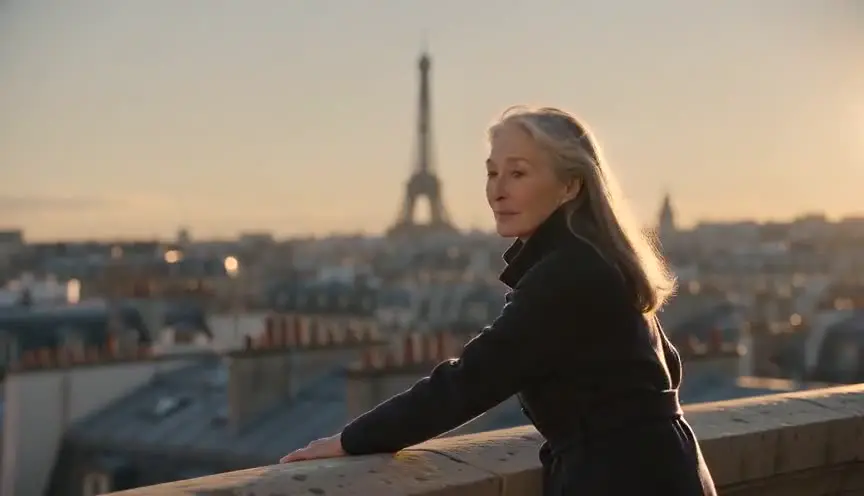
取景是电影语言的第一个词:同一个瞬间,在远景里是地理,在中景里是对话,在近景里是告白。换句话说,距离一变,观众接收到的信息就从空间关系转向人物关系,再转向情绪本身。下面每一张卡片都用同一个对象呈现经典景别序列中的一种,让差别被看见,而不是被描述,这样同一张脸、同一个动作在不同景别里的含义就会自然显露出来。

取景演示图在你的浏览器里绘制。复制提示词不会向任何服务器发送内容。

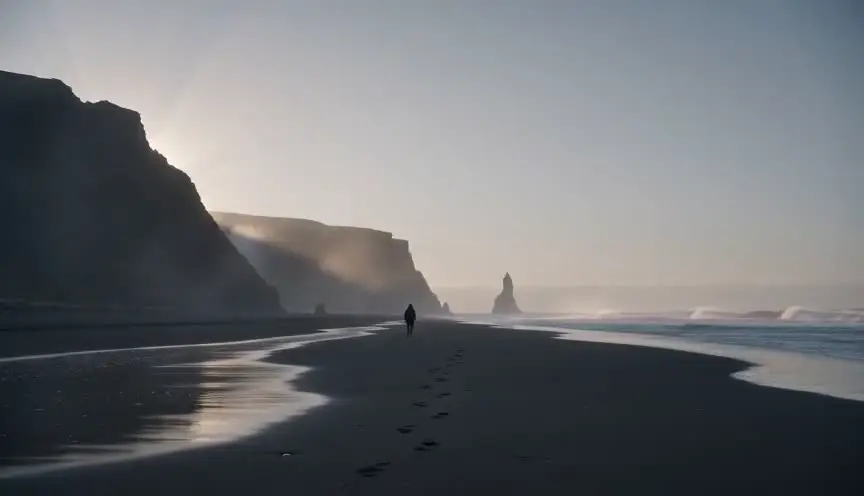
Extreme wide shot

EWS

The subject appears as a small, relatively minor element within an expansive and vast environment; in this framing choice, the location itself becomes the true subject and focal point of the frame, with the human presence serving to provide scale rather than being the primary point of interest.

什么时候用: Openings, establishing geography, isolation, and scale - the world before the person, where the setting itself carries the story before any character becomes the focus.

extreme wide shot, the subject tiny in a vast landscape

看一个完整的示例提示词

A traveler crosses a salt flat at dawn, extreme wide shot, the subject tiny in a vast landscape, pastel sky.
Wide shot

WS

The full subject is visible in their entirety with generous, ample room surrounding them on all sides; both the subject's body and the encompassing environment share the frame in relatively balanced proportion, each maintaining clear presence and readability.

什么时候用: Establishing a character in a place, blocking-heavy scenes, physical comedy, and any moment where the relation between body and surroundings matters as much as the face.

wide shot showing the full subject and their surroundings

看一个完整的示例提示词

A mechanic stands in a cluttered garage doorway, wide shot showing the full subject and their surroundings.

Full shot

FS

The frame cuts just above the head and just below the feet, so the entire body—from crown to sole—fills the full height of the frame.

什么时候用: Costumes, posture, and movement - showing exactly how a character carries themselves, including how garments sit and the choices made in stance and motion.

full shot framing the subject from head to toe

看一个完整的示例提示词

A dancer in rehearsal clothes holds a final pose, full shot framing the subject from head to toe, studio light.

Cowboy shot

MWS

The frame cuts at mid-thigh—a crop with roots in classic Westerns, historically chosen to keep a gunslinger's holster and draw hand visible within the composition.

什么时候用: Confrontations and swagger; a power framing that keeps hands and hips in play, so stance and gesture stay central.

cowboy shot framing the subject from mid-thigh up

看一个完整的示例提示词

A sheriff squares up in the saloon doorway, cowboy shot framing the subject from mid-thigh up, backlit dust.

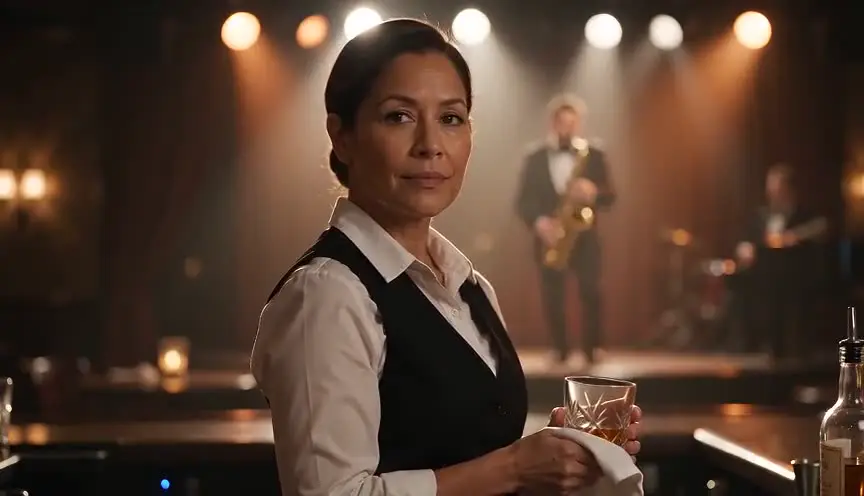
Medium shot

MS

The frame cuts at the waist, striking a balance: close enough to read facial expression and emotion, yet wide enough to capture hand gestures and upper-body language.

什么时候用: This is the workhorse of dialogue, the shot you keep coming back to for conversations, for interviews, and for most scene coverage.

medium shot framing the subject from the waist up

看一个完整的示例提示词

A journalist leans into the interview question, medium shot framing the subject from the waist up, office bokeh.

Medium close-up

MCU

The frame cuts cleanly at the chest line: the face anchors the composition and carries expression, but the shoulders remain visible to preserve body language and physical presence.

什么时候用: Emotional dialogue beats, and reactions that still need a hint of posture to read on screen.

medium close-up framing the subject from the chest up

看一个完整的示例提示词

A witness hesitates before answering, medium close-up framing the subject from the chest up, courtroom light.

Close-up

CU

The face dominates and fills the frame, with the cut positioned around the shoulders; every subtle shift in expression, every micro-expression becomes instantly legible to the viewer.

什么时候用: Key emotional moments, decisions, and beats that put the audience inside a character's head.

close-up on the subject's face

看一个完整的示例提示词

Tears she refuses to release, close-up on the subject's face, candlelight flickering.

Extreme close-up

ECU

A fragment of the face—typically the eyes, or sometimes a mouth or forehead detail—dominates and fills the entire frame, isolating a single expressive feature from the rest of the visage.

什么时候用: Maximum intensity: use it for realization, terror, obsession, the western standoff stare.

extreme close-up on the subject's eyes

看一个完整的示例提示词

The moment the plan clicks into place, extreme close-up on the subject's eyes, reflected neon.

Insert shot

INSERT

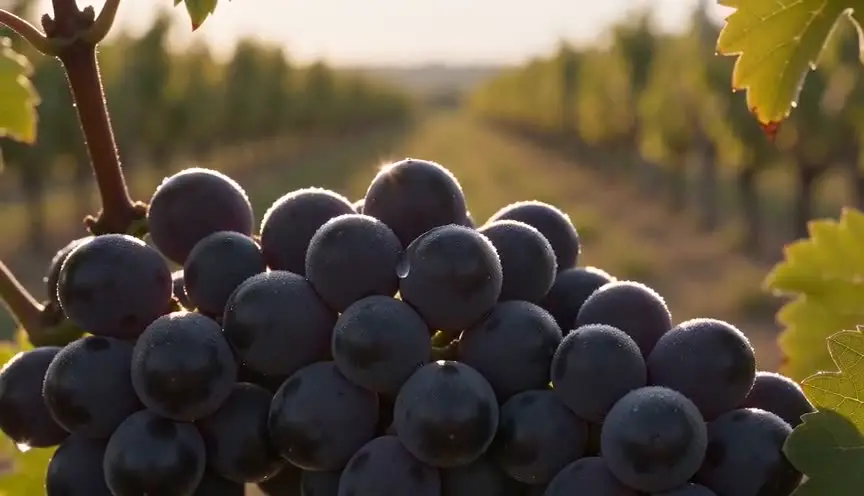
A tight, focused detail of an object or action—hands gripping, fingers trembling, a letter being unfolded, a key turning in a lock—capturing tactile specificity rather than a face.

什么时候用: Story-critical props, cutaways that carry plot information, tactile texture, and any insert that makes a narrative point through a physical detail.

insert shot, extreme close-up detail of the object

看一个完整的示例提示词

A brass key slides into an old lock, insert shot, extreme close-up detail of the object, shallow focus.

怎么用这个页面

找到和你这个瞬间所需信息量相匹配的取景,复制它的提示词片段,然后放在 AI 提示词的最前面,在主体和动作之前,因为模型给靠前的词更高权重。每个片段都用了行业标准术语加上一句大白话锚定(「从腰部往上取景」),即使模型对术语的理解偏松,也能把它拉回来。每张卡片上的示例展示了这个片段放进完整提示词后的样子。

电影和 AI 视频生成中的景别

景别序列是电影行业最古老的共同词汇:大远景、远景、全景、牛仔景、中景、中近景、近景、大特写,再加上用于物件的插入镜头。全世界的剧组都用这些词来画分镜、列镜头表、指导拍摄,这也正是那些在有描述的素材上训练出来的 AI 模型能听懂它们的原因。

相邻两种景别之间真正的差别,在于什么还留在画面里。中景保住手势;中近景用手势换来表情;近景用体态换来微表情。要的景别比这个瞬间所需的宽一档或窄一档,正是 AI 生成的对白镜头常常显得太远或太逼人的原因。

当景别有意识地交替时,一段序列才读得出专业感:用远景建立空间,用中景演这场戏,用近景落下转折,当道具推动情节时切到插入镜头。带着这种纪律去生成 AI 镜头,剪出来的片段会像真正的现场覆盖,而不是一堆互不相连的画面。

适合谁

  • 用 AI 做电影的人 直接要你计划好的那个取景,而不是一遍遍重生成直到裁切碰巧对了。
  • 电影专业学生 用它在银幕上实际呈现的样子来学景别序列,所有景别都落在同一个对象上。
  • 导演和分镜师 共享同一份视觉参考,让分镜、镜头表和 AI 提示词讲同一套景别语言。
下一步

从剧本出发,直接得到分镜。

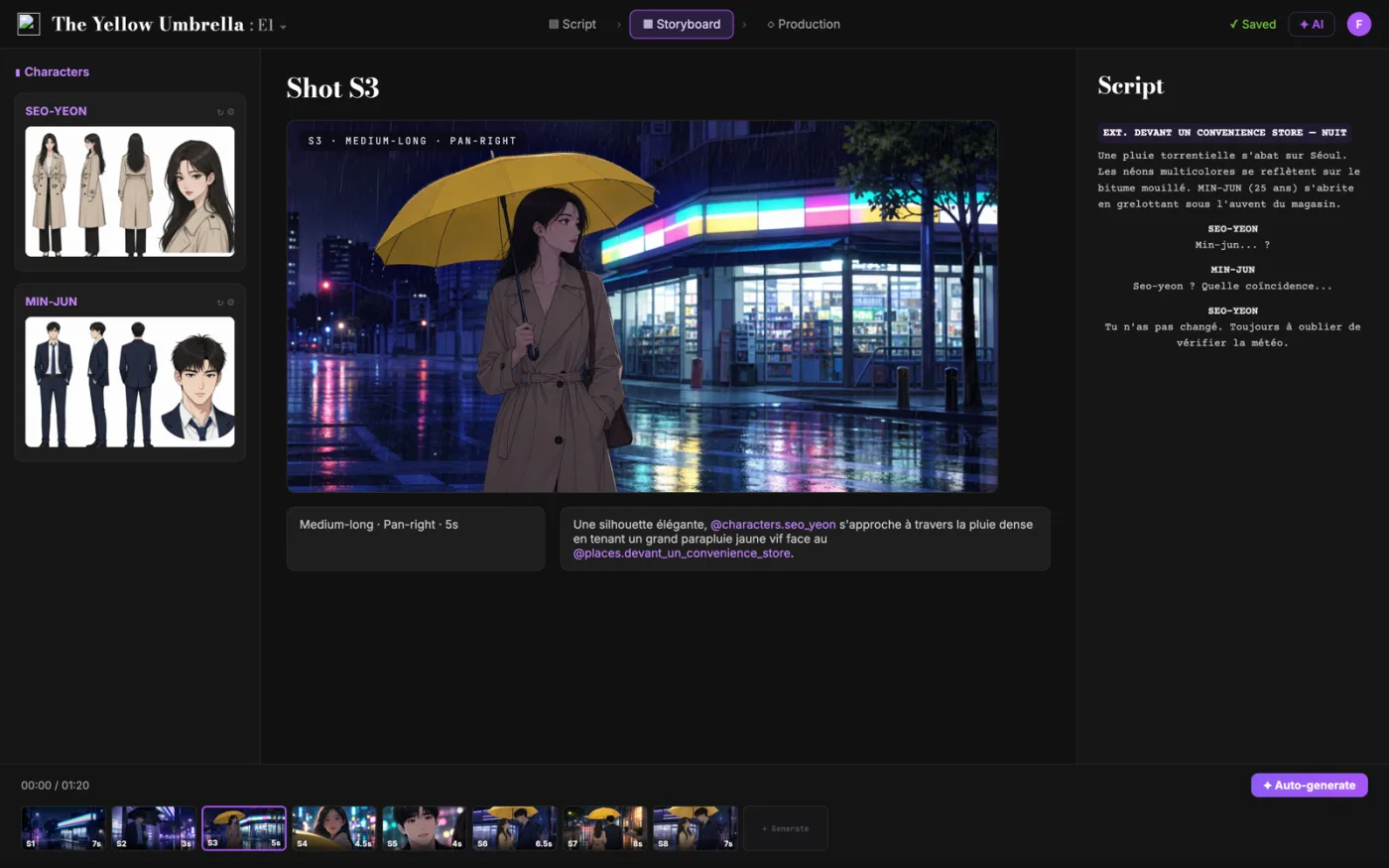
熙熙 把你的剧本拆成镜头,并据此生成分镜。景别、角度、运镜和时长都由你掌控。角色在镜头之间保持一致。

  • 0 美元,永不过期
  • 导出 PDF 和 Final Draft
  • Mac、Windows、Linux、iPad
The Yellow Umbrella 镜头 S3 的 熙熙 分镜,旁边是角色设定图和剧本

景别指南:完整指南

它在同一个主体上把完整的景别刻度可视化,从大远景到大特写,外加插入镜头,每一种都配了用于 AI 视频和图像的提示词片段。

这类工作的核心问题很清楚:景别是从文字定义里学的,于是有人写「中景」却期待特写,画出来的分镜格也对不上这些词在现场的实际含义。不解决,它就会在后面的环节制造摩擦,让决策变慢。实际要达到的是你看清每种景别在身体的哪个位置切,然后复制那句能在 AI 模型里生成这个画面的措辞。

需要记住的限制:景别是惯例,不是法律:不同剧组的「中景」切点略有差别,AI 模型对这些词的理解也有同样的小幅浮动。

进阶用法:导演在规划覆盖时会有意识地交替景别:全景交代环境,中景承担对白,特写落在转折上。用同样的纪律去写 AI 镜头,得到的段落才剪得像真正的覆盖。

一步步怎么做

  1. 确定这个时刻需要的景别:要多少身体、多少环境、多少脸。
  2. 复制提示词片段,用它作为提示词的开头,放在主体和动作之前。
  3. 展开示例,看看这个景别放在完整、顺序合理的提示词里是什么样。
  4. 像真实覆盖那样交替景别来编排段落:全景、中景、特写、插入。

按角色分的使用场景

  • AI 影片创作者:直接生成你分镜里画的那个景别,而不是反复重生成直到看着顺眼。
  • 学生:用视觉方式把景别刻度记住,看的是画面本身,不是词条。
  • 分镜师:和导演、和 AI 流程共用同一套景别词汇。

常见的坑

  • 该看胸以上的肢体语言时却写「特写」:那其实是中近景。
  • 从大远景直接跳到大特写,中间什么都没有,剪起来会很跳。
  • 忘了插入镜头:对故事重要的道具值得一个自己的画面,不该塞在全景的一角。

行业里的做法

  • 提示词以景别开头(「中景,……」):模型对靠前的词权重更高。
  • 牛仔镜头是对峙戏的秘密武器:有气势,又不会把手切掉。
  • 拍对白覆盖时,为两个人物各生成一组对得上的中近景,正反打才干净。

在分镜与剧作推进中,把这个工具的输出当成决策的辅助,而不是写作本身的替代。一个好剧本之所以被记住,靠的是具体的选择、准确的情绪,以及戏剧动作的清晰;这些判断仍然来自写作者。工具的作用是把噪音去掉,让你的精力落到真正要紧的地方:人物、冲突、升级和兑现。每过一轮就回看一次结果,把接受的改动记下来,你的工作方式会一稿比一稿更快、更可预期。这种稳定正是专业合作者看重的东西:意外更少,理由更清楚,剧本朝着有意识的方向长。

延伸问答

标准的景别有哪些?

经典刻度依次是大远景、远景、全身、牛仔镜头(中远景)、中景、中近景、特写、大特写,再加上用于物件细节的插入镜头。这一页每一种都有可视化,并配了 AI 提示词。

中景和特写有什么区别?

中景的取景线落在腰部,让手势和肢体语言继续留在画面里;特写则用脸填满画面,取景线切在肩膀附近。夹在两者之间的就是中近景,它的取景线切在胸口。

什么是牛仔镜头?

取景线切在大腿中部的这种构图,名字来自西部片,原因在于枪套得露出来。它读起来是一种权力构图:取景线比中景更高,但手和胯仍然还在画面里。

景别术语在 AI 视频提示词里管用吗?

管用,所有主流模型(Veo、Sora、Runway、Kling、Seedance)都懂标准的景别词汇。把景别放在提示词开头最可靠,因为模型对靠前的词权重更高。

什么是插入镜头?

一个紧凑的细节镜头,拍的是物件或动作而不是脸:转动的钥匙、一封信、键盘上的手。插入镜头承载剧情信息,也给剪辑留出呼吸。

怎么选对景别?

先问一句,这个时刻到底需要多少语境。环境和方位适合用全景交代,对白适合用中景承载,情绪适合用特写放大,对故事重要的物件适合用插入镜头强调。段落在景别之间有意识地交替时最好看,就像真正的覆盖那样自然。

FAQ

常见问题

大远景、远景、全景、牛仔景、中景、中近景、近景和大特写,再加上用于物件细节的插入镜头。上面这九种都在同一个对象上做了呈现。

中景的取景线切在腰部,手和手势都还在画面里。中近景的取景线切在胸口:脸是主角,画面里只留下一点肩膀,好让肢体语言还活着。

管用。Veo、Sora、Runway、Kling 和 Seedance 都能响应标准的取景词汇。把景别词放在提示词开头,并带上那句大白话锚定,就像这里可复制的片段所做的那样。

用来表现对峙和气场。它的取景线切在大腿中段,既让手和胯留在画面里,又比中景显得更挺拔,所以西部片发明了它,惊悚片则留下了它。

让取景匹配这个瞬间所需的信息量:地理要远景,对话要中景,情绪要近景,推动情节的物件要插入镜头。然后像真正的现场覆盖那样,在整段序列里交替使用不同景别。